Kendo
The way of the sword, with bamboo. Kendo is Japanese fencing with bamboo swords and armour. How points are scored, the equipment, etiquette and how to start practising.
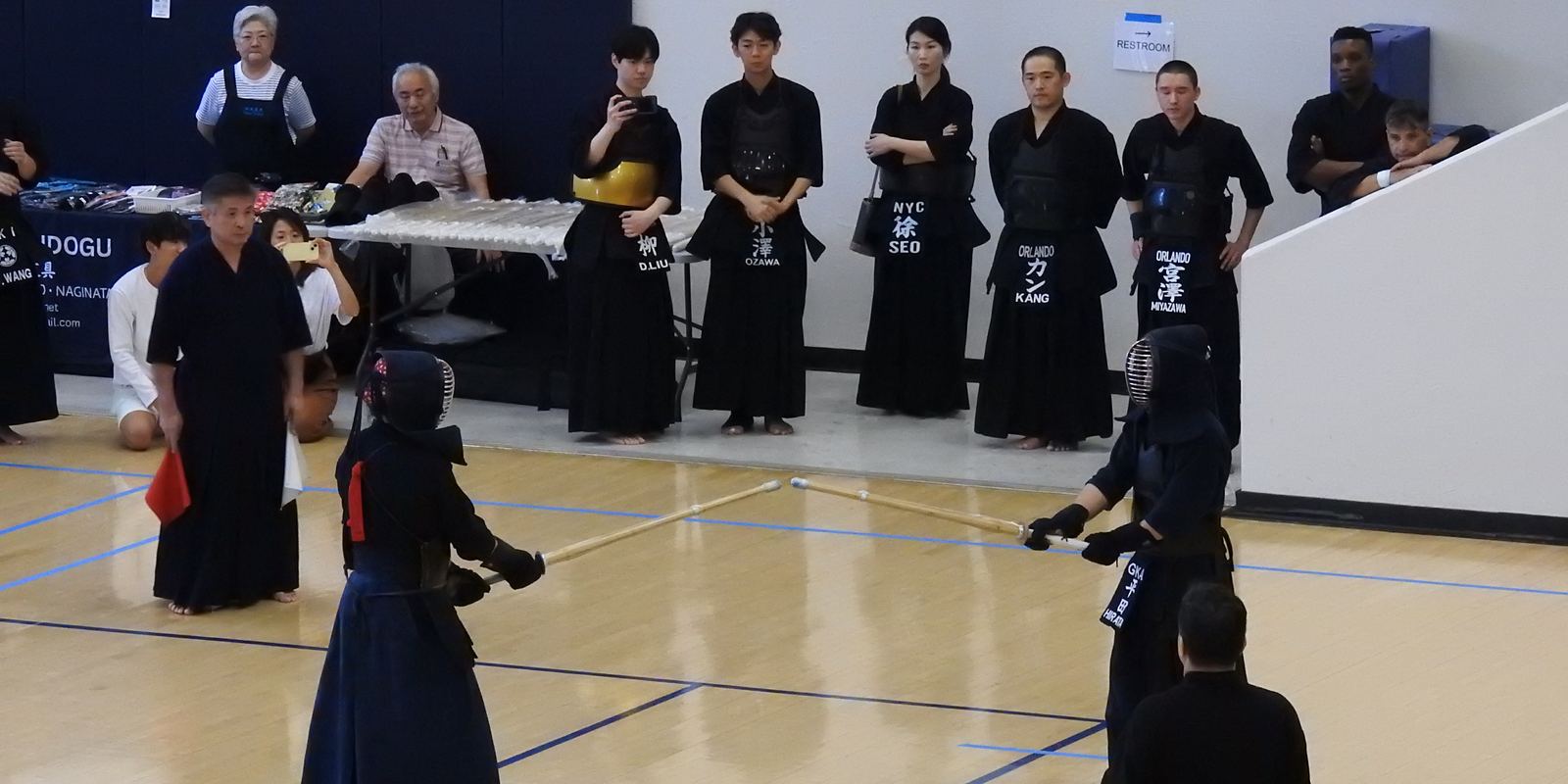
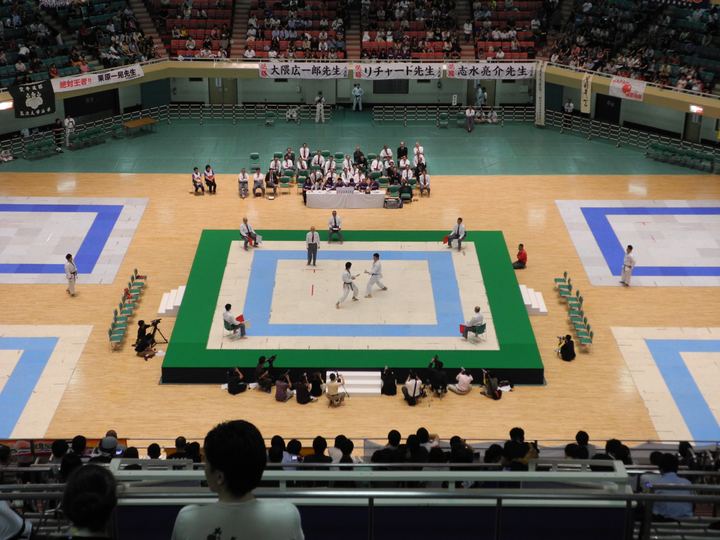
A kendo tournament: Huntsmanleader, CC BY 4.0
Modern Japanese fencing
Kendo developed from older Japanese sword schools. In the 1700s, teachers introduced bamboo swords and protective armour so students could practise full-speed strikes safely. Today kendo is a modern sport and martial way practised by millions in Japan and by many people worldwide.
Equipment
Kendo uses a shinai, a sword made of four bamboo slats bound with leather, and a wooden sword, the bokuto, for forms practice. The armour, called bogu, includes the men helmet with a metal grille, kote padded gloves, the do chest protector and the tare waist protector. Practitioners wear a jacket and hakama trousers and train barefoot.
How to score
A point, called ippon, is not just a hit. The strike must land on a target with the correct part of the shinai, with good posture, a strong shout, called kiai, naming the target, and alert follow-through. Judges look for spirit, sword and body acting as one. Matches are usually first to two points.
Did you know?
In kendo, a strike is not counted if the fencer celebrates afterward; showing off can even cancel a point, because respect for the opponent is part of the rules. Many practitioners continue into their seventies and eighties, and the highest grades, such as eighth dan, have some of the lowest pass rates of any exam in the martial arts world. Kendo clubs exist on every continent, and the World Kendo Championships bring together teams from dozens of countries.
Related arts include iaido, practising sword-drawing forms solo, and naginata, using a long bamboo-bladed pole, popular with women in Japan.
Etiquette and starting
Kendo puts strong emphasis on respect: bowing to partners and the training hall, caring for equipment and helping each other. Beginners train in everyday clothes and footwork for months before wearing armour. Clubs often lend equipment at first. Ranks go from kyu grades to dan grades, with exams that test technique and attitude.
Learn techniques only from a qualified instructor in a supervised class, with proper equipment and a partner who knows what to expect.
- A kendo tournament: Huntsmanleader, CC BY 4.0
Text written by Strongest Power.