Training Safely: Injuries, Gear and Recovery
Stay on the mat for years. How martial artists avoid injury: warm-ups, tapping early, mouthguards, concussion awareness, skin hygiene, hydration and rest days.
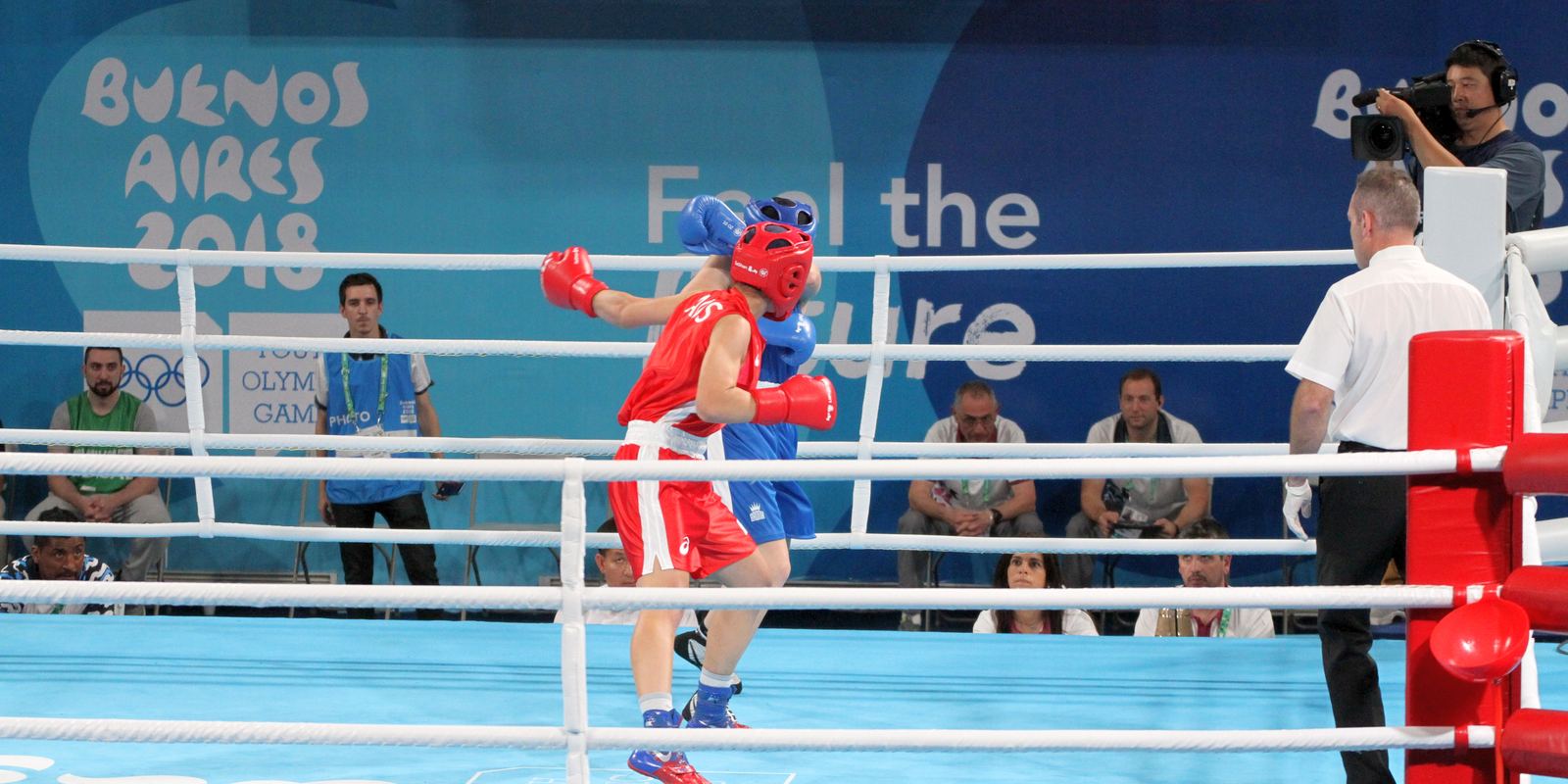
Protective gear in amateur boxing: Marcus Cyron, CC BY-SA 3.0
Warm up and build up
Most injuries happen when people rush. Warm up with light cardio and mobility work, increase intensity gradually and learn techniques slowly before adding speed or power. Beginners should not spar hard; controlled drills build skill with far less risk.
Protective gear
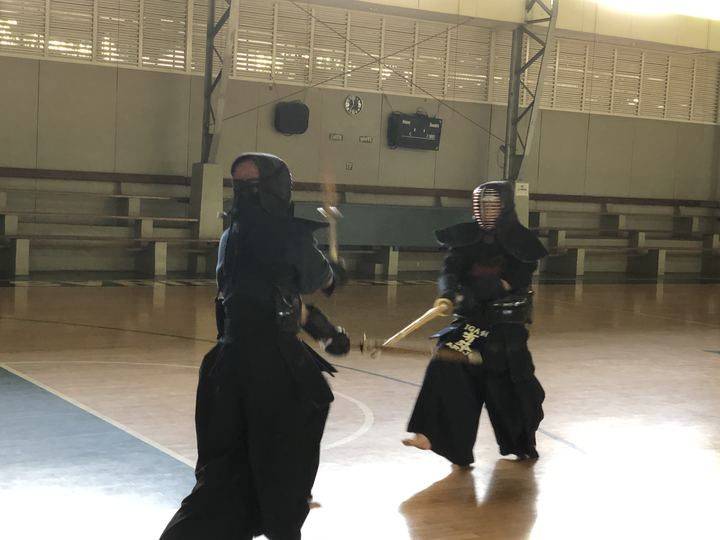
A fitted mouthguard protects teeth and jaws in striking and grappling. Striking arts call for gloves and shin guards in sparring, and many competitions require headgear for juniors. Grapplers may use ear guards to prevent cauliflower ear. Keep gear clean and replace it when worn out.
Tap early, and know concussion signs
In judo, jiu-jitsu, wrestling and MMA, tap as soon as a joint lock or choke is on, and release immediately when your partner taps. Head injuries need special care. According to public health guidance such as the CDC's, anyone with signs of a concussion, such as headache, dizziness, confusion or nausea, should stop activity right away, see a health professional and not return the same day.
Quick checklist
Before every session: warm up, check your gear, trim nails and remove jewellery. During training: control your power, tap early, communicate with your partner and stop if something hurts sharply. After training: shower, wash your uniform, rehydrate and note any injuries. If you suspect a concussion or serious injury, stop and see a health professional. This is general guidance, not medical advice; ask a doctor about your specific situation.
Coaches and parents can help by keeping training fun and progressive, especially for children, whose bodies are still developing.
Skin, fuel and rest
Mat sports can spread skin infections such as ringworm and staph. Shower soon after training, wash uniforms every time, cover cuts and stay off the mats if you have a rash. Drink water, eat well and sleep enough. Rest days let muscles and joints recover, and they are part of training, not a break from it.
Learn techniques only from a qualified instructor in a supervised class, with proper equipment and a partner who knows what to expect.
- Protective gear in amateur boxing: Marcus Cyron, CC BY-SA 3.0
Text written by Strongest Power.