How to Choose a Martial Arts School
Questions to ask before you sign. A practical checklist for choosing a martial arts school for adults or kids: instructors, safety, trial classes, contracts and red flags.
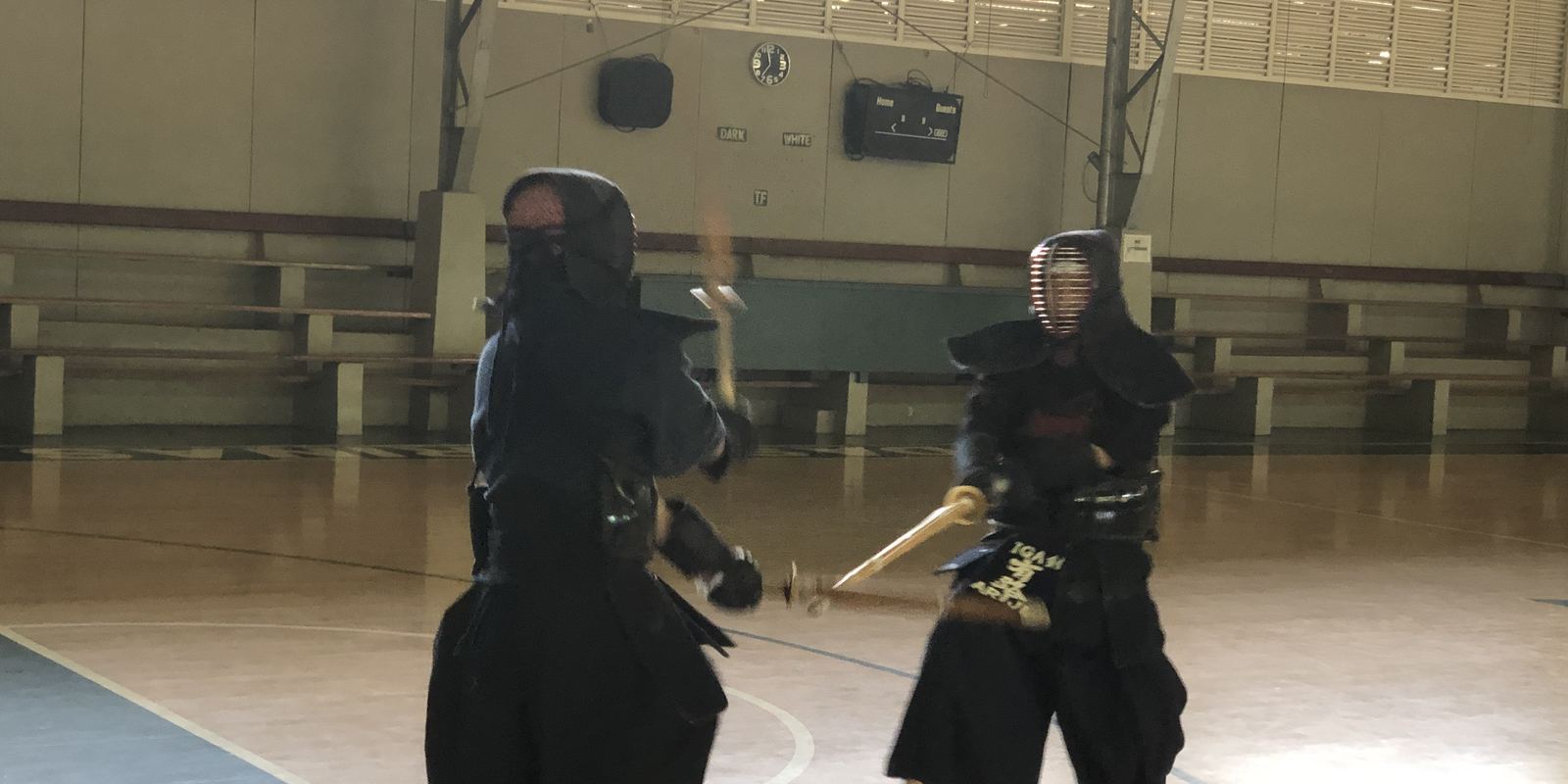
A class in a training hall: Ominae, CC BY-SA 4.0
Start with your goal
Different arts suit different goals. For fitness and striking, look at boxing, kickboxing or Muay Thai. For grappling and ground control, judo, wrestling or Brazilian jiu-jitsu. For tradition, forms and discipline, karate, taekwondo, kendo or aikido. For children, a school with a structured, friendly programme matters more than the specific art.
Meet the instructors
Ask how long the head instructor has trained and who they trained under. Many arts have national federations that list affiliated clubs and certified coaches. Watch a class: does the instructor give clear explanations, correct students kindly and keep an eye on everyone? Are senior students helpful to beginners?
Safety and atmosphere
Look for clean mats and changing areas, first aid knowledge, warm-ups, and sparring that is controlled and appropriate for each student's level. For children's classes, ask about safeguarding policies and background checks for coaches, which many federations require. The atmosphere should be respectful and encouraging, not humiliating.
Quick checklist
Watch at least one class before joining. Try a trial lesson. Ask about instructor experience and federation membership. Check safety rules for sparring. Ask about safeguarding for children. Get all costs and contract terms in writing. Make sure the schedule fits your life, because consistency matters more than intensity. Talk to current students or parents about their experience.
Above all, choose a place where you feel welcome and motivated to come back each week. The right school makes learning safe, steady and enjoyable.
Money and contracts
Ask about all costs: monthly fees, uniforms, gear, grading fees and competition costs. Be cautious about long contracts, high-pressure sales or promises of a black belt in a fixed short time. A good school will let you try classes first and explain cancellation terms clearly.
Learn techniques only from a qualified instructor in a supervised class, with proper equipment and a partner who knows what to expect.
- A class in a training hall: Ominae, CC BY-SA 4.0
Text written by Strongest Power.
← The Kodokan and the Dan SystemTraining Safely: Injuries, Gear and Recovery →