Pencak Silat
Southeast Asia's martial art heritage. Pencak silat is the martial art of the Malay world, recognised by UNESCO in 2019. Its styles, music, competition categories and Asian Games debut.
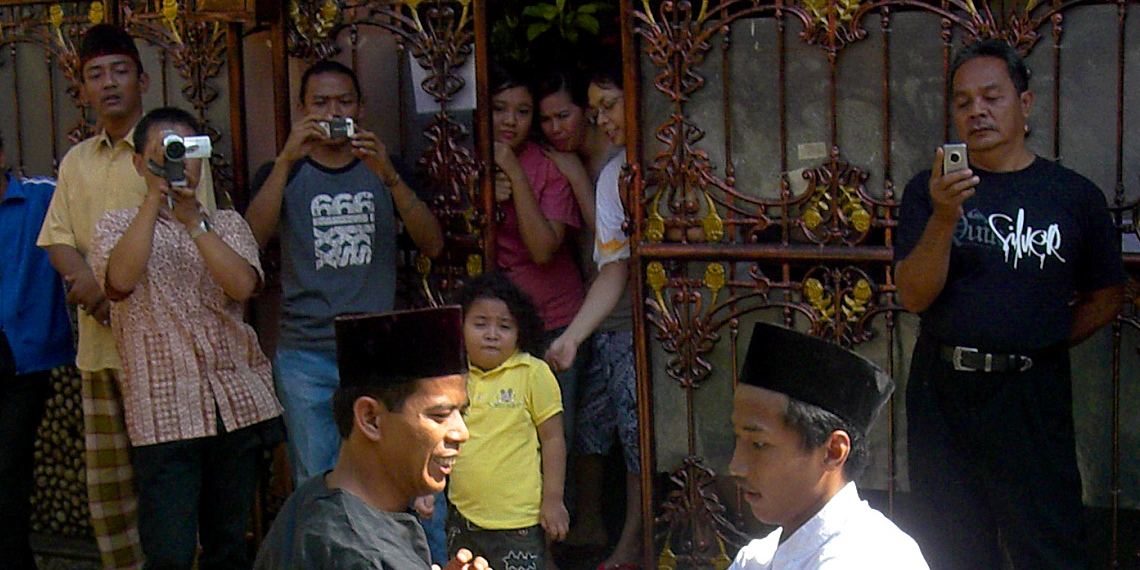
Betawi pencak silat: Gunawan Kartapranata, CC BY-SA 4.0
A family of arts
Pencak silat is an umbrella name for hundreds of martial art schools across the Malay Archipelago, especially Indonesia and Malaysia. Styles differ from island to island: some favour low stances and sweeps, others fast strikes or locks. Movements often imitate animals such as tigers and eagles.
Art, sport and culture
Pencak silat is more than combat. It includes artistic performance, often accompanied by drums, gongs and a trumpet-like instrument, at weddings and festivals. In 2019 UNESCO added the traditions of pencak silat from Indonesia, and silat from Malaysia, to its list of intangible cultural heritage.
Competition
As a sport, governed internationally by PERSILAT, competitors take part in tanding, full-contact sparring with points for punches, kicks, sweeps and takedowns, and artistic events judged on routines performed alone, in pairs or in teams. Pencak silat made its Asian Games debut in 2018 in Indonesia and is a regular at the Southeast Asian Games.
Did you know?
In many Indonesian communities, silat performances mark special occasions, and the music, called gendang pencak in parts of West Java, uses drums, a gong and a reed instrument to set the pace. Some schools teach silat as part of local culture in primary schools. International silat clubs often welcome beginners with no experience, and artistic categories let students compete without full-contact sparring. The art's low stances and flowing transitions also make it a strong full-body workout for balance and leg strength.
Malaysia, Brunei, Singapore and southern Thailand each have their own silat traditions, so the art looks different across the region.
Learning silat
Many cities outside Southeast Asia have silat clubs run by teachers from the region. Classes usually start with stances, footwork and basic strikes, then partner drills. Silat's emphasis on balance and low positions builds strength and flexibility.
Learn techniques only from a qualified instructor in a supervised class, with proper equipment and a partner who knows what to expect.
- Betawi pencak silat: Gunawan Kartapranata, CC BY-SA 4.0
Text written by Strongest Power.