Kickboxing
Punches and kicks, Japan to the Netherlands. Kickboxing combines boxing punches with kicks. Its Japanese and American roots, the K-1 era, Dutch style, rules and beginner training tips.
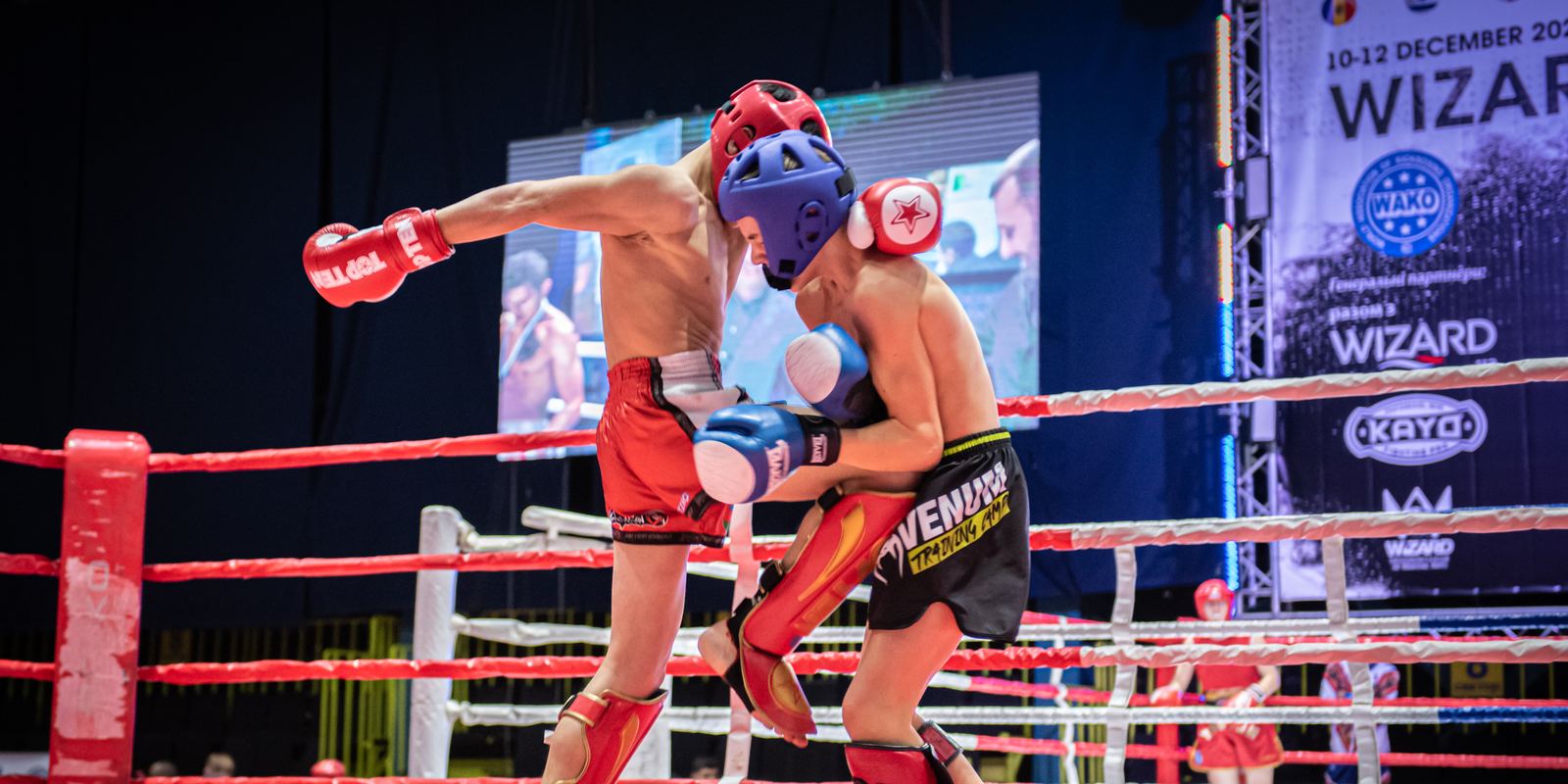
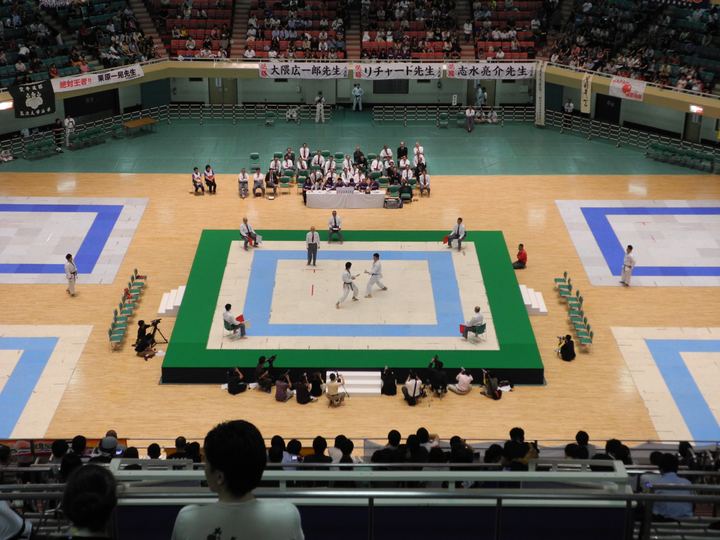
K-1 style kickboxing: Bovvladua, CC BY-SA 4.0
Two birthplaces
Kickboxing grew in two places at once. In Japan in the 1960s, promoter Osamu Noguchi blended karate with Muay Thai techniques and called it kickboxing. In the United States in the 1970s, karate fighters created full-contact karate, where they could punch and kick with full power above the waist. Both versions spread around the world.
The K-1 era
In 1993 Kazuyoshi Ishii founded K-1 in Japan, a tournament that brought together fighters from karate, kickboxing, Muay Thai and boxing under one set of rules. K-1 drew huge crowds in Tokyo in the 1990s and 2000s, and stars such as Ernesto Hoost, Peter Aerts and Semmy Schilt became famous.
Dutch kickboxing
Gyms in the Netherlands developed a style known for fast boxing combinations finished with powerful low kicks, and Dutch fighters dominated many international tournaments. Their high-volume pad and sparring drills influenced gyms worldwide.
Watching kickboxing
If you are new to watching, notice how fighters set up kicks with punches: a quick jab or cross draws the guard up, then a low kick lands on the thigh. Defence matters too: checking a low kick by lifting the shin, blocking and moving out of range. Watch the rhythm between rounds, as corners give advice and fighters adjust. Many gyms run fight nights where amateurs compete under protective rules, which is a great way to see the sport up close.
For fitness, cardio kickboxing classes use the same punches and kicks on pads and bags without any sparring, which makes them a gentle entry point.
Rules and training
Rules vary by organisation, but most kickboxing allows punches, kicks and knees, with little or no clinching and no elbows. Training includes skipping, shadowboxing, pad work, bag work, conditioning and controlled sparring. It is a popular fitness activity, and many gyms offer separate classes for beginners who do not want to spar.
Learn techniques only from a qualified instructor in a supervised class, with proper equipment and a partner who knows what to expect.
- K-1 style kickboxing: Bovvladua, CC BY-SA 4.0
Text written by Strongest Power.